
Why Staffing Association Membership and Trade Shows Matter
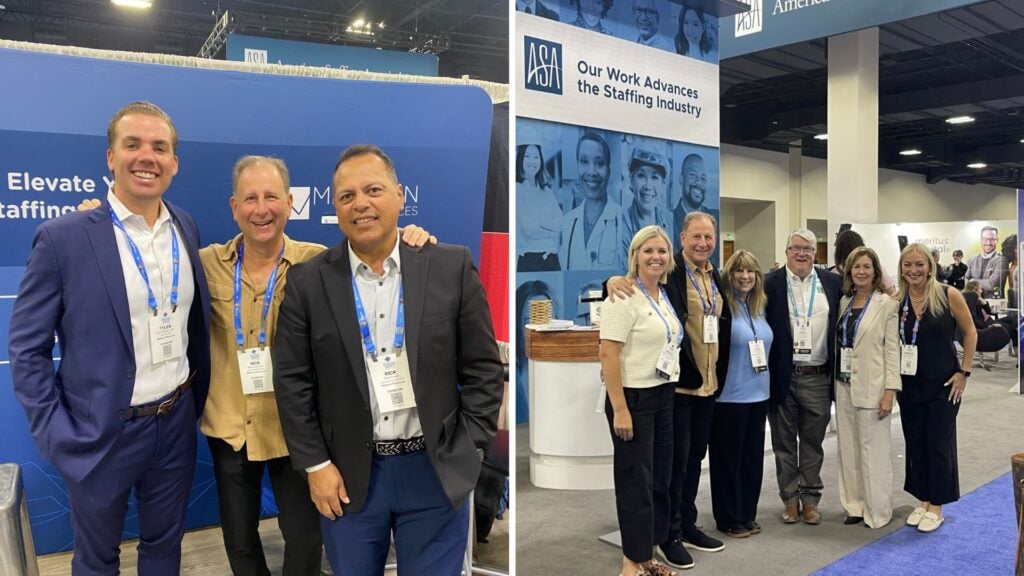
Staffing World attendance was down this year, and it’s not hard to see why. Nick Andriacchi on behavior change, why staffing association membership and trade shows still matter, and the case for making “showing up” a habit again.
September 2026 Jobs Report: Hiring Cools, Temp Help Dips
The September 2026 jobs report showed a labor market that’s cooling, not collapsing: just 29,000 new jobs, unemployment at 4.2% and the first decline in temporary help after eight straight months of gains. Here’s what the numbers mean for staffing firms heading into the fourth quarter.
Growing Into a Cash Crunch: 7 Staffing Agency Cash Flow Mistakes to Avoid

Landing a big contract can put more strain on your cash than you’d expect. Learn the seven funding mistakes that hurt staffing agency cash flow as firms scale, and the simple fixes that keep payroll covered while you grow.
Money Only Funding for Staffing Firms: How It Works vs. Full Service

Money Only funding gives staffing firms a 90% advance and weekly ACH funding while they keep their own back office. Here’s how it works and how it compares to Full Service.
Staffing Agency Unemployment Claims: How to Respond and Protect Your SUI Rate

Staffing agency unemployment claims don’t show up as a bill. They show up a year later as a higher SUI rate. Here’s how to answer claim notices on time, win hearings, catch charging errors, and keep separations from eating into your gross margin.
Is Your Staffing Back Office Holding Your Firm Back?

Payroll, multi-state taxes, VMS billing and slow-paying invoices can quietly take over the hours you need for recruiting and selling. Learn the signs it’s time to outsource your staffing back office, what to hand off at each stage of growth, and how to choose a partner you can trust.
Education Staffing Cash Flow: How to Grow When Districts Pay on a Board Calendar

Your payroll runs weekly. The district’s board meets monthly. That mismatch is why profitable education staffing firms stall in September and why the fix is timing, not terms.
Staffing Sales Commission Structure: How to Pay Salespeople the Right Way

Too many staffing firms build commission plans their salespeople can’t calculate and accounting can’t explain. Here’s how to structure one that pays on gross profit instead of revenue, holds up when a client doesn’t pay, and gives the salesperson a reason to stay close to the account after the sale.
Staffing Agency Startup Checklist: What You Need Before Your First Payroll

Starting a staffing agency takes more than sales and recruiting. This staffing agency startup checklist covers the funding, payroll, insurance, compliance, systems, and back-office essentials you need before your first payroll.
August 2026 Jobs Report: 162K Jobs, Temp Help Up Again
The August 2026 jobs report showed the labor market regaining its footing, with 162,000 new jobs, unemployment steady at 4.1% and temporary help employment rising for the eighth straight month. Here’s what the numbers, and July’s cautious hiring data, mean for staffing firms heading into the fall.